Petals and Power: Returning to the Cherry Blossom Festival
The annual Cherry Blossom Festival at the Japanese Friendship Garden offers more than an opportunity to enjoy the beauty of spring blooms. It serves as a living classroom where Japanese cultural traditions are shared, practiced, and celebrated. This year's festival provided a meaningful learning experience for performers and audiences alike, highlighting the role of taiko in fostering community, discipline, and cultural connection.
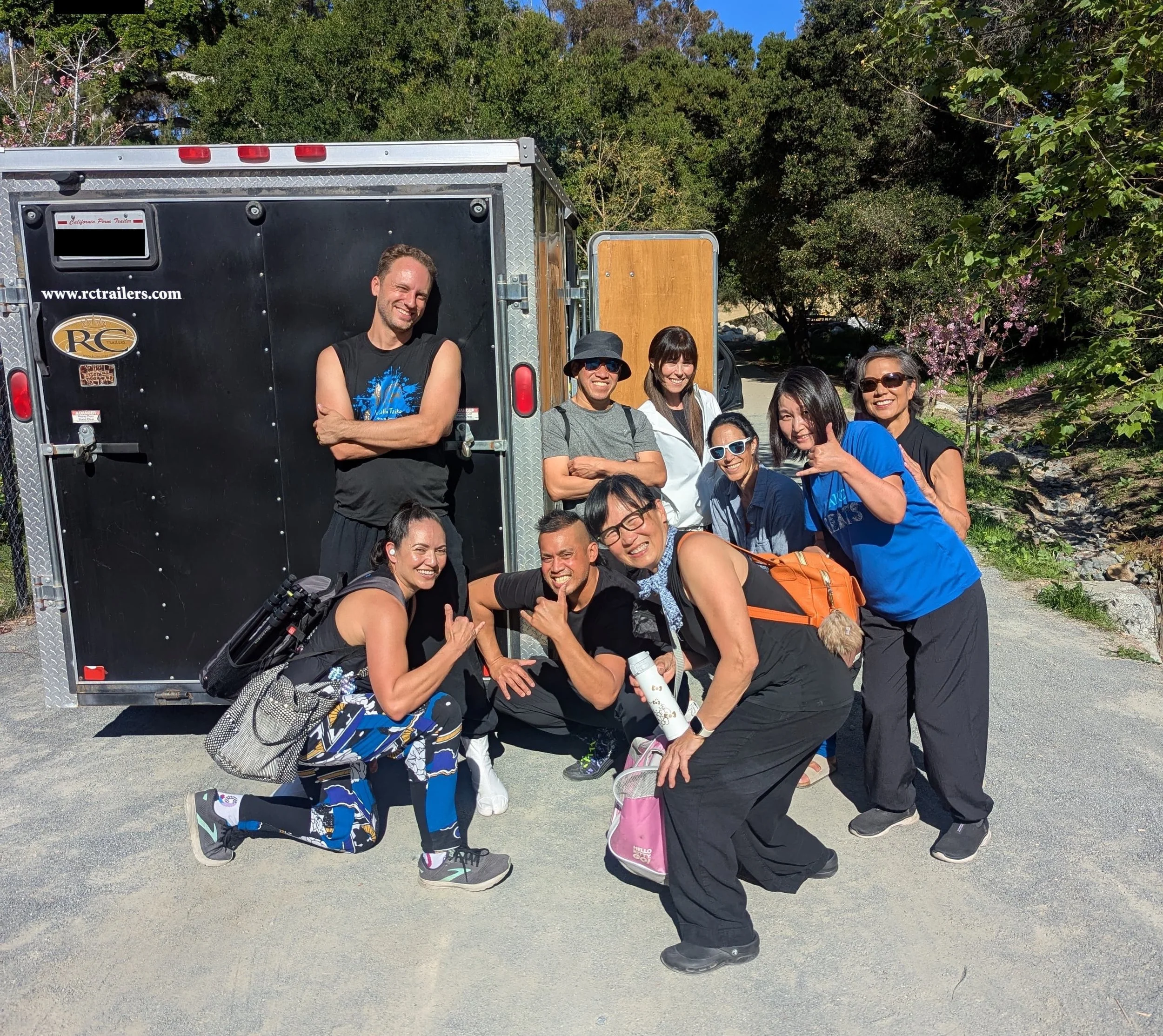
Long before the first drumbeat echoed through the garden, the atmosphere was already alive with anticipation. Visitors gathered among the blooming cherry trees while performers prepared near the Inamori Pavilion. The combination of natural beauty, community engagement, and artistic expression created an ideal setting for cultural exchange.
This year's performance was especially significant because it represented the entire Ōnami Taiko Center (OTC) community. While La Jolla Taiko served as the featured performing ensemble, students from OTC's Hikari, Asama, and Sakura classes also participated. For many of these students, the Cherry Blossom Festival marked an important milestone in their taiko training, providing an opportunity to apply months of practice in front of a large public audience.
Preparation for the performance demonstrated one of the core values of taiko: learning through collaboration. Experienced performers worked closely with newer students, offering guidance and encouragement. One important teaching method used throughout rehearsals was Kuchishōga (口唱歌), a traditional system of vocalizing drum rhythms. Often described as "mouth singing," kuchishōga allows students to internalize rhythmic patterns before playing them on the drum. By speaking rhythms together, performers strengthen their timing, memory, and musical understanding.
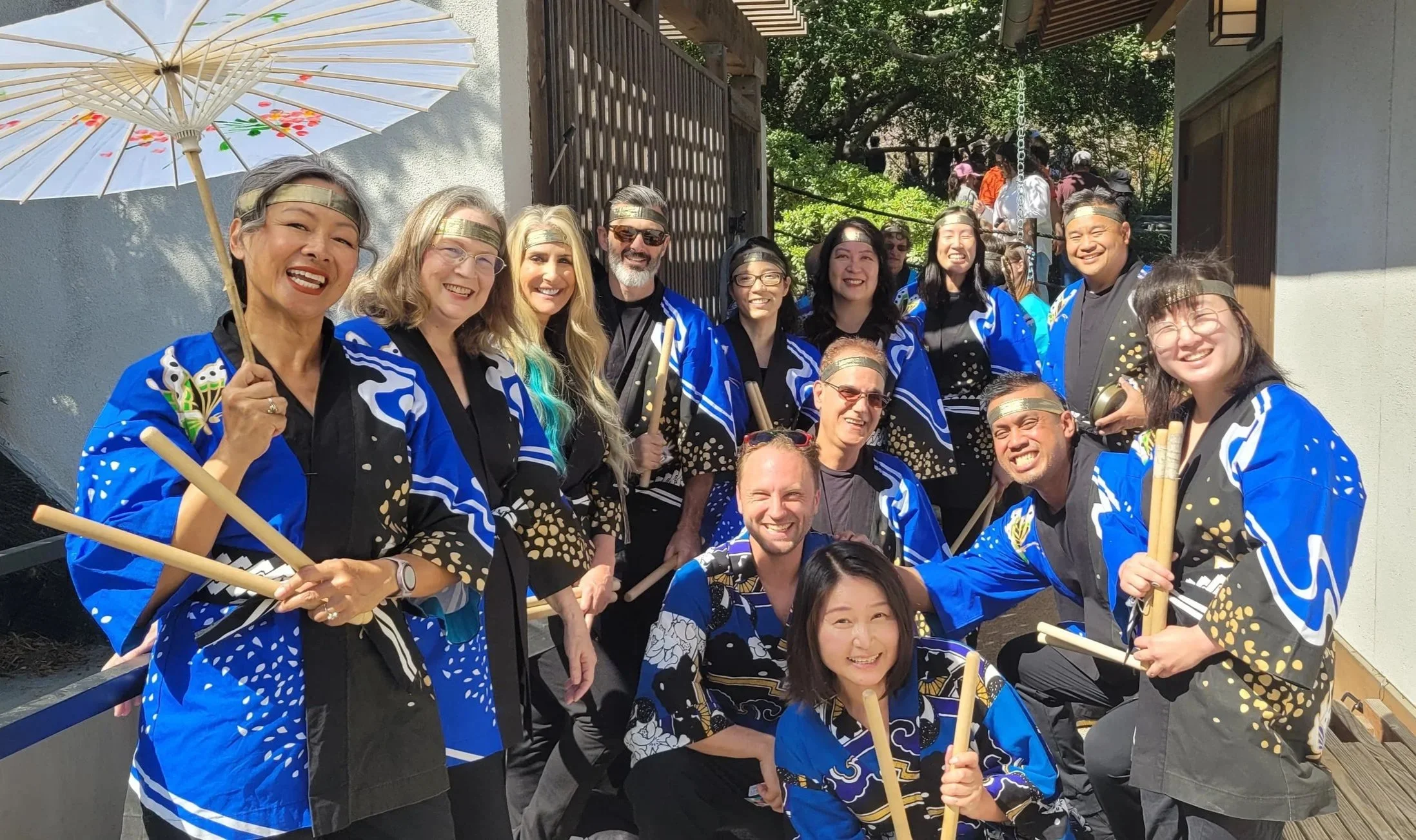
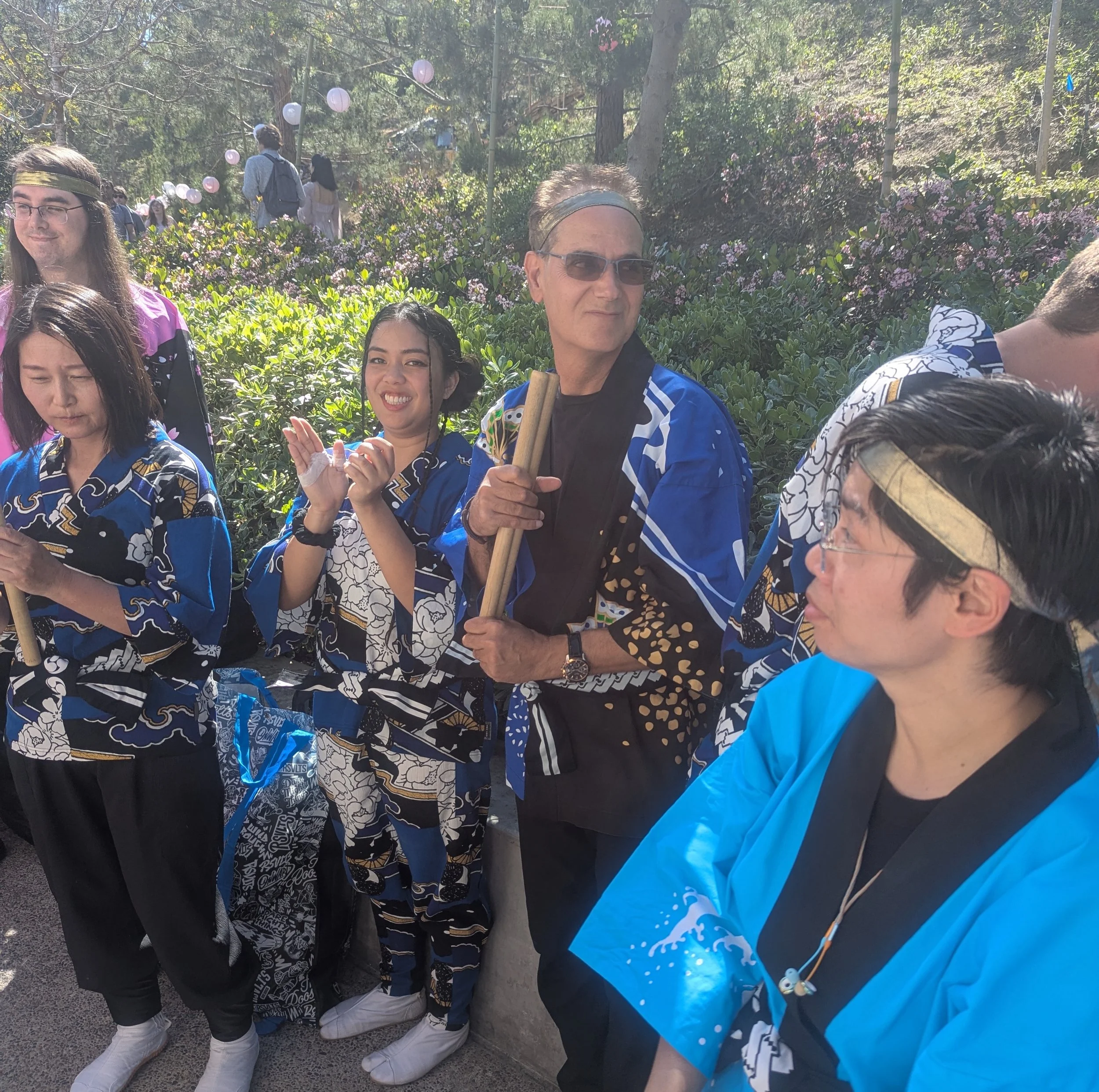
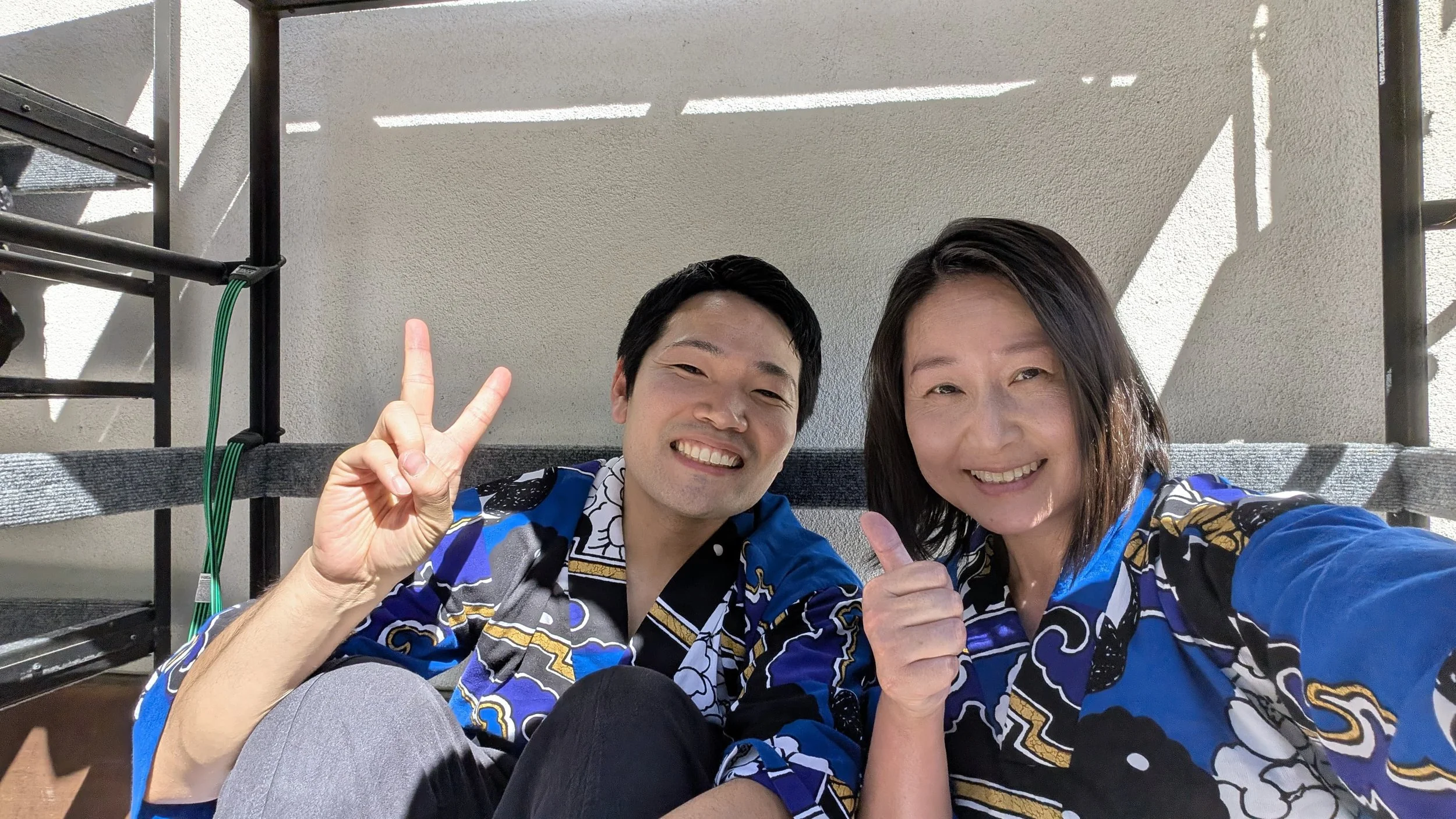
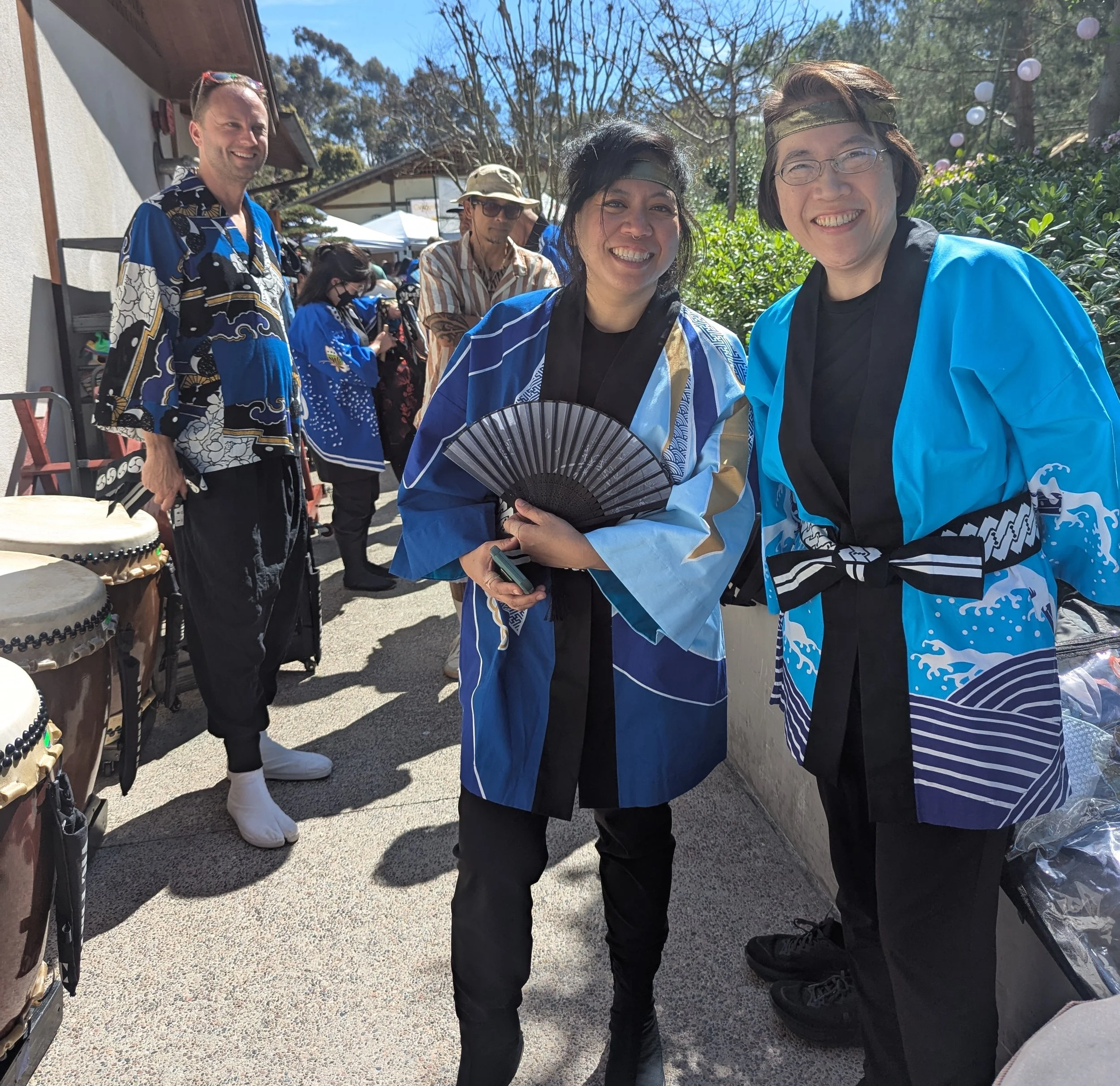
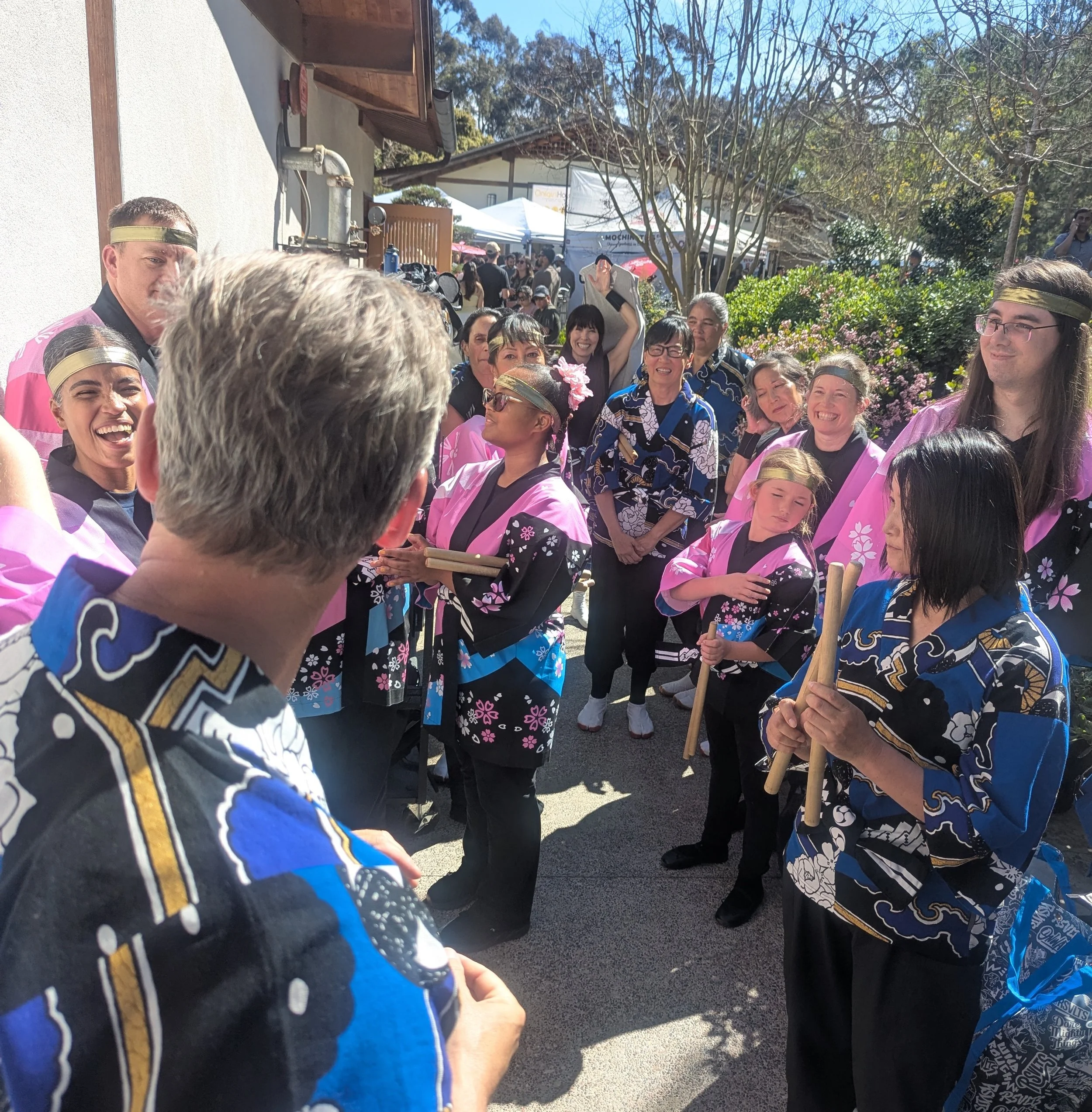
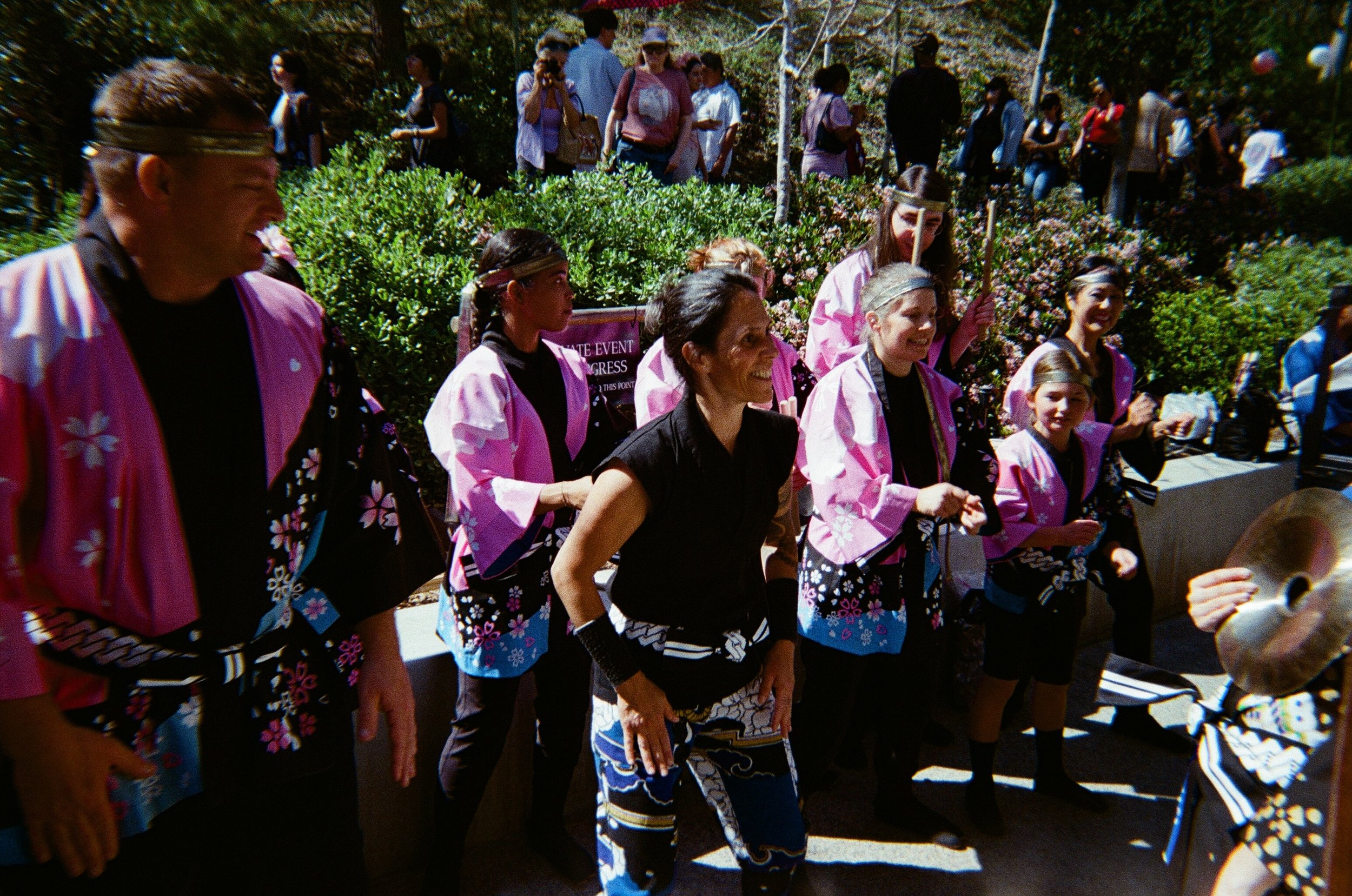
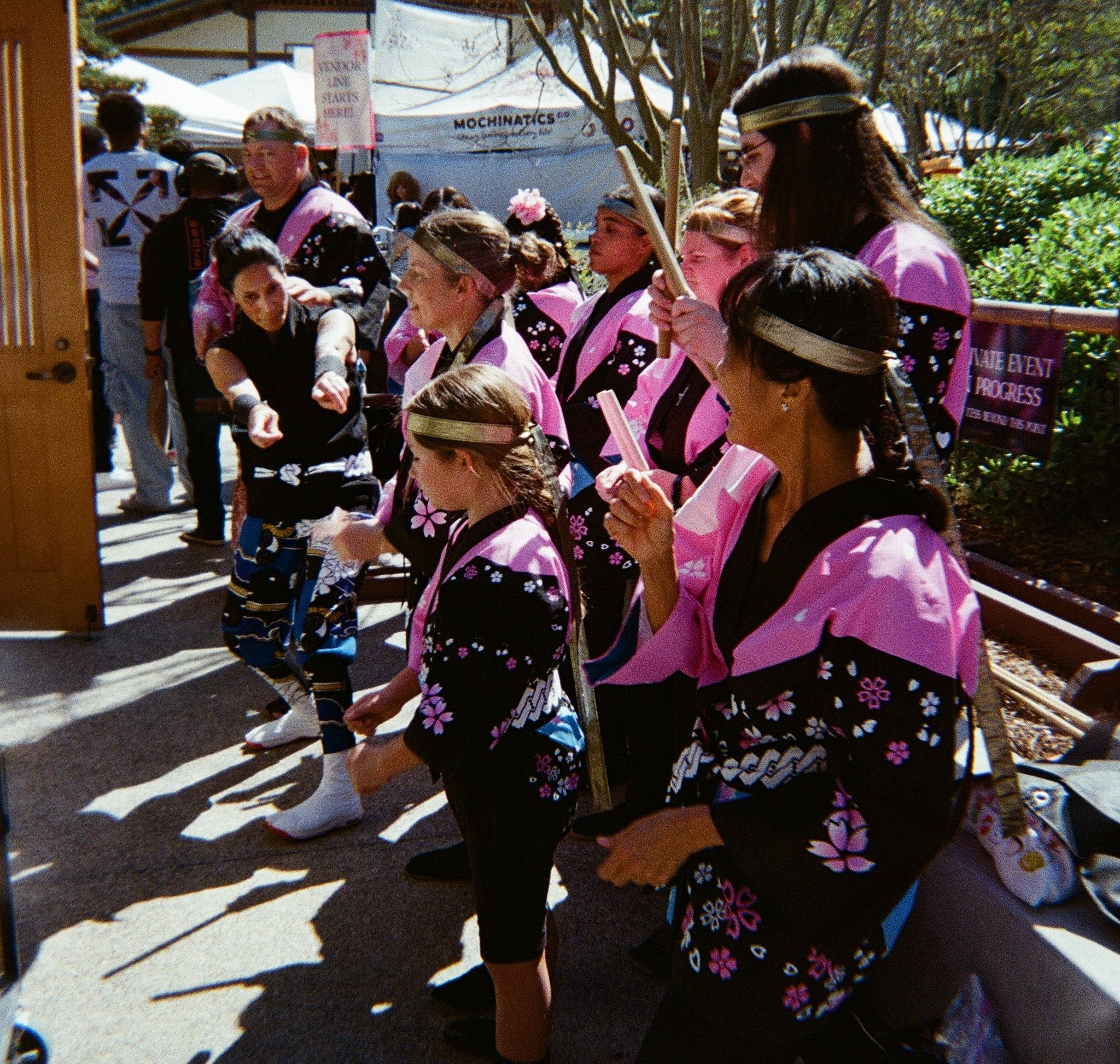
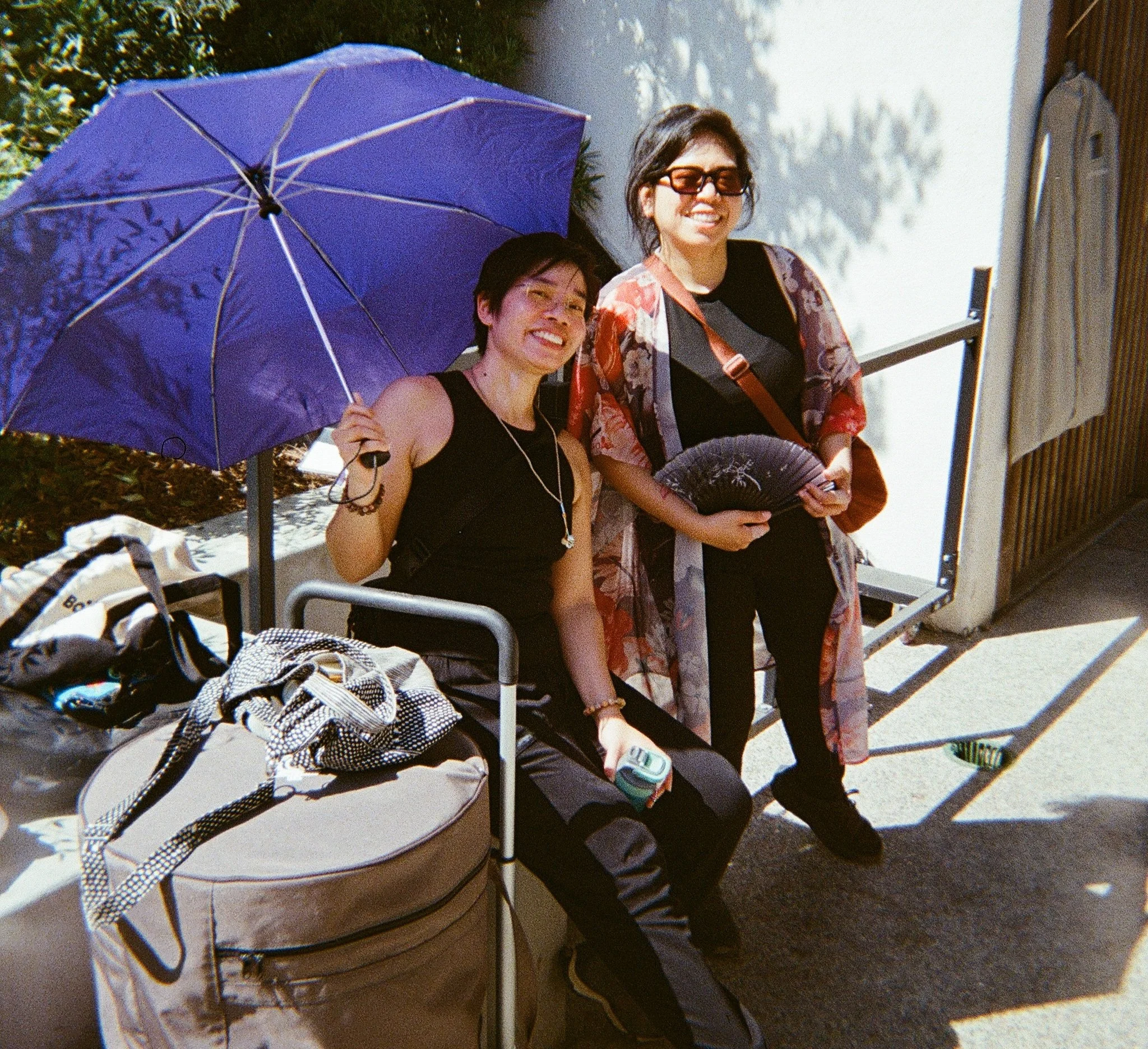
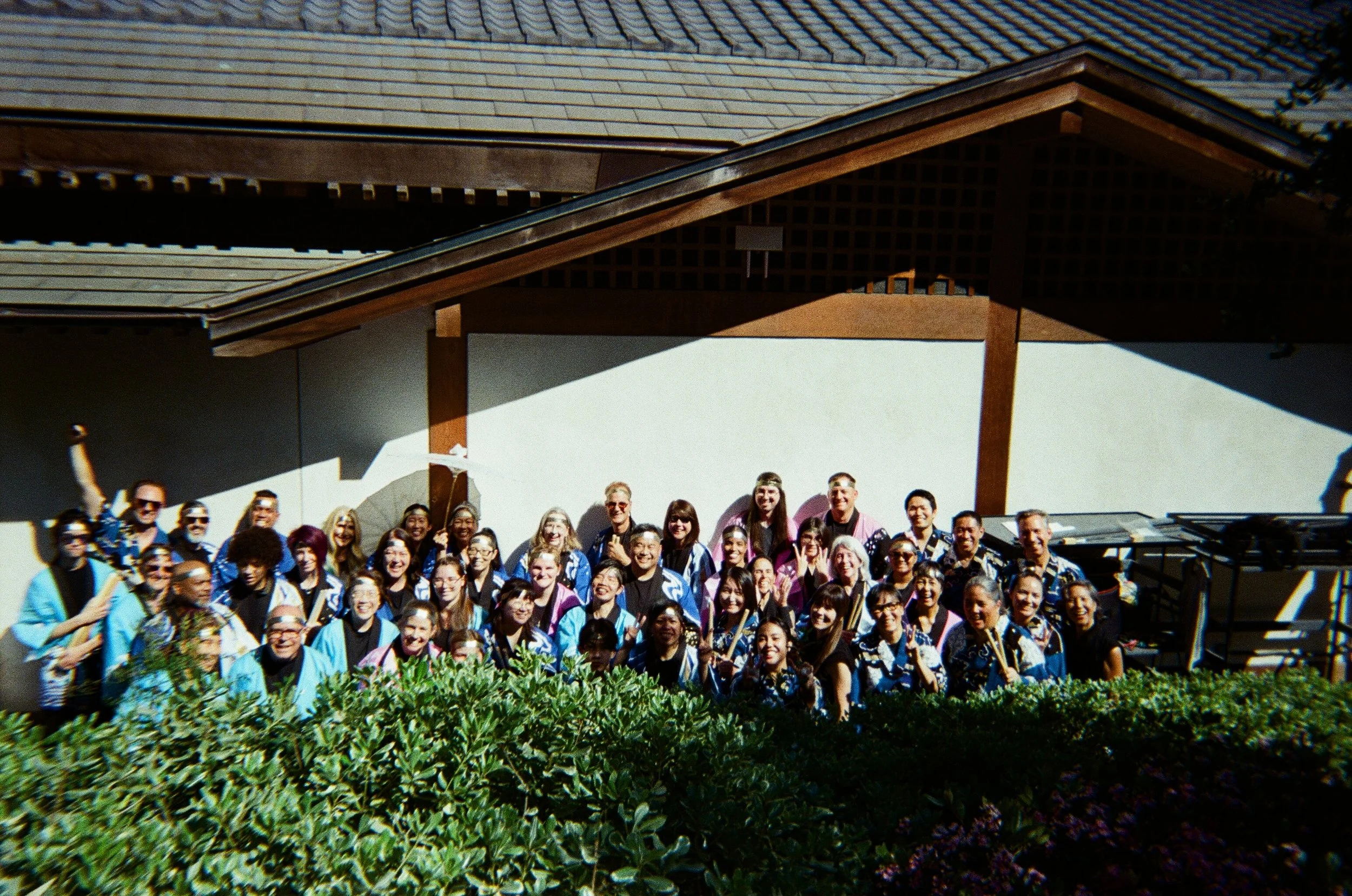
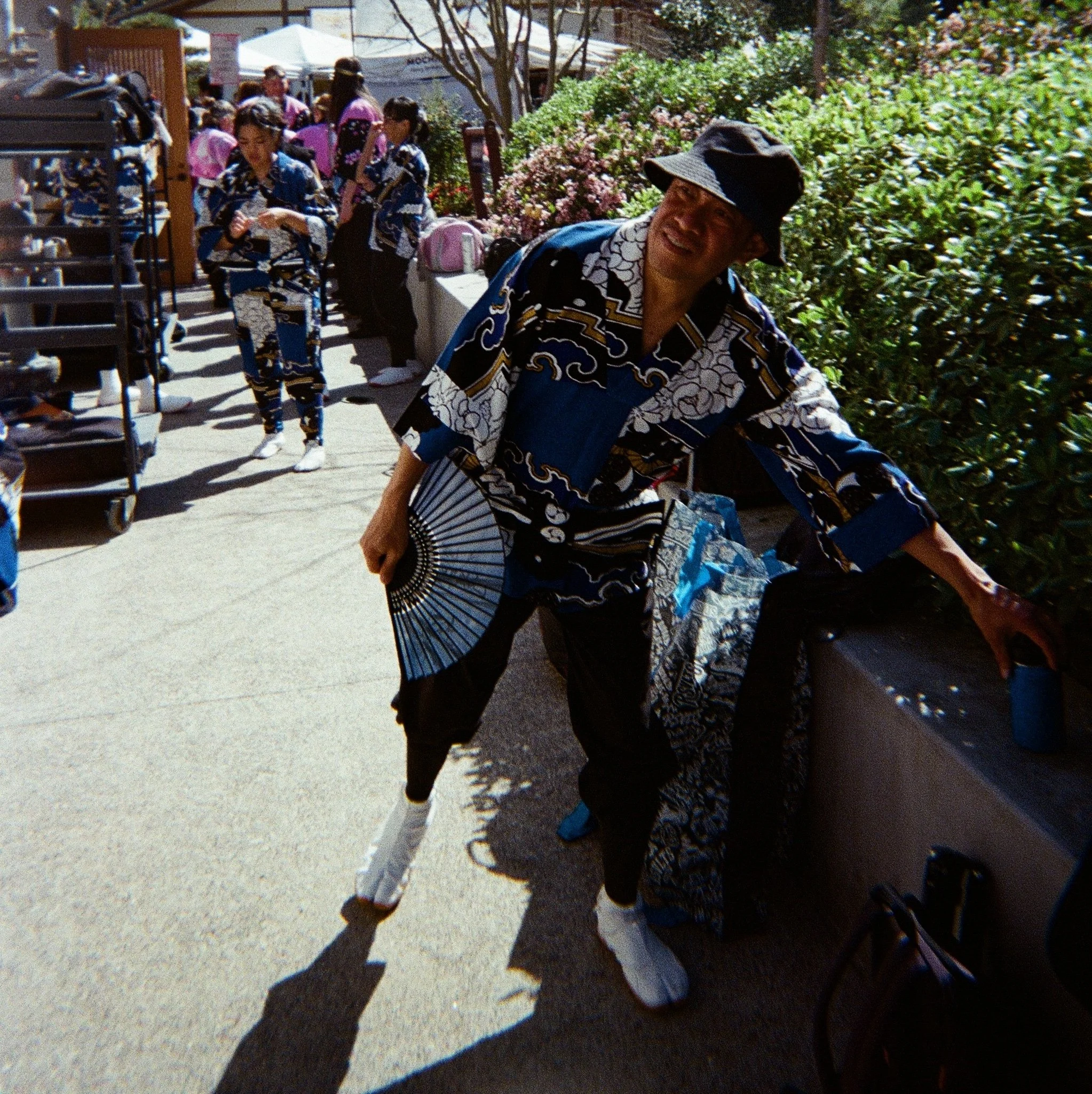
The supportive environment extended beyond musical instruction. Senior members helped newer performers with practical details such as costume preparation, technical reminders, and proper obi placement. These shared responsibilities reinforce the sense of community that is central to our taiko practice and help create a positive experience for performers at every level.
The Inamori Pavilion offers a unique performance environment that differs from a traditional theater stage. Because performers and audience members share the same space, the connection between them feels immediate and personal. It can be intimidating but is a great opportunity for us all to challenge ourselves and experience taiko on a new level, with confidence and joy! As the pavilion filled and the first don rang out, the energy of the crowd became an integral part of the performance itself.
Throughout the festival, audiences packed the pavilion and surrounding pathways. Visitors gathered wherever they could find a view, some even peering through the garden's greenery to watch the performers. The steady rhythms of the Sakura class and the growing confidence demonstrated by the Hikari and Asama students illustrated the progression of taiko training and showcased the dedication required to develop ensemble performance skills. Performances are never the finish line though, but rather a path on our road of continuous learning.
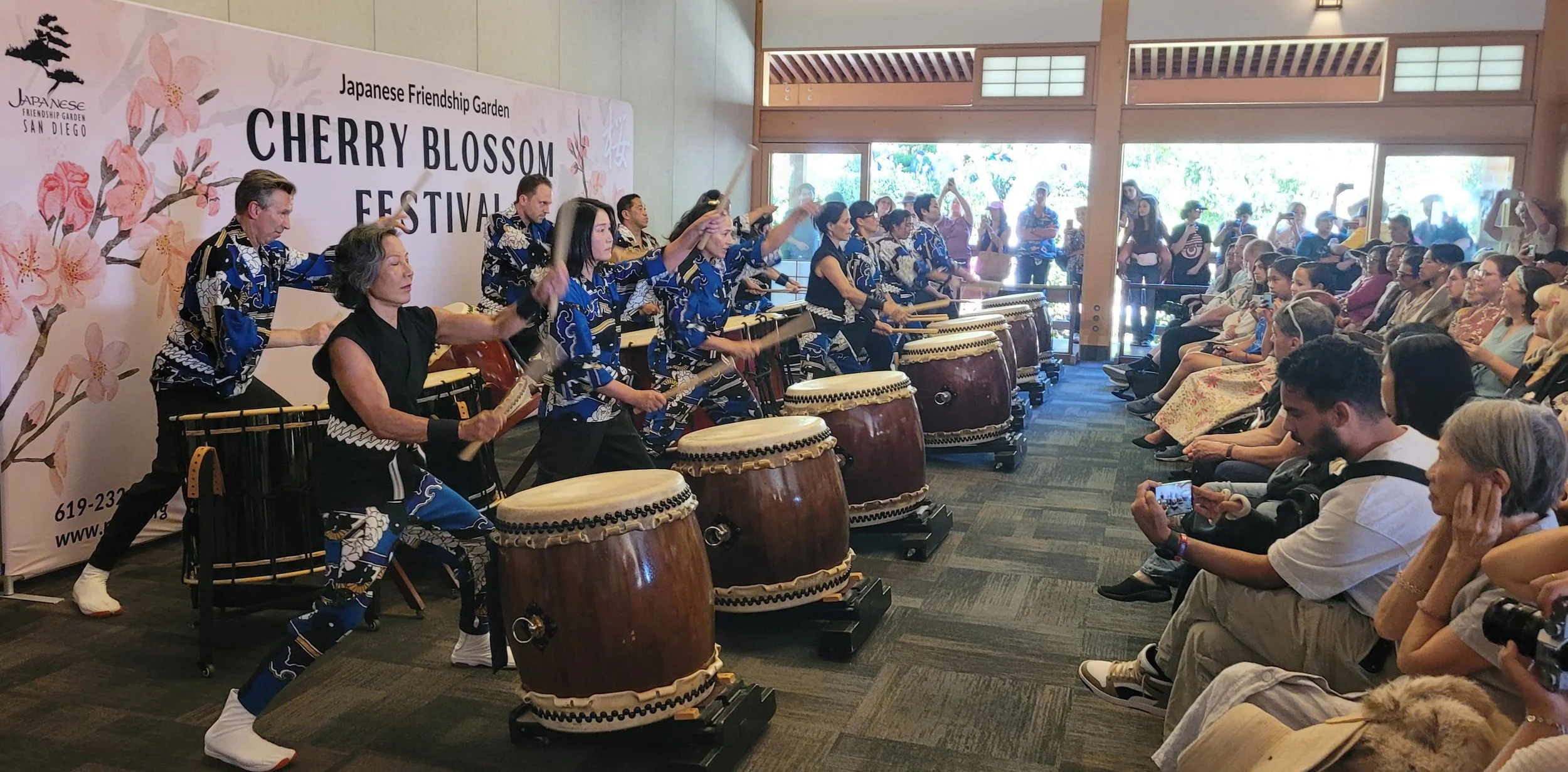
The festival also highlighted the broader cultural community that helps preserve and promote Japanese traditions in San Diego. Over four days, the Japanese Friendship Garden hosted a diverse range of performers and organizations, each contributing to the festival's educational and cultural mission. Sharing the weekend with the energy of San Diego Yosakoi, Asayake Taiko, Buddhist Temple of San Diego Taiko, San Diego Taiko, and the spirit of the San Diego Shishimai Kai lion dance performers underscored the richness and diversity of the region's Japanese cultural arts community.
Events like the Cherry Blossom Festival demonstrate how cultural traditions are sustained across generations. The experience is shaped not only by established performers and organizations but also by the newest students taking part in their first public performance. Each generation learns from those who came before, ensuring that these art forms continue to thrive and evolve.
Following the performance, many participants enjoyed a well-earned opportunity to relax and reflect. Whether sharing conversations with fellow performers or cooling off with a bowl of strawberry kakigōri from KO-LI Bar, students and instructors alike celebrated the accomplishments of the weekend. These moments of reflection are an important part of the learning process, allowing performers to recognize their growth and appreciate the collective effort that made the performance possible.
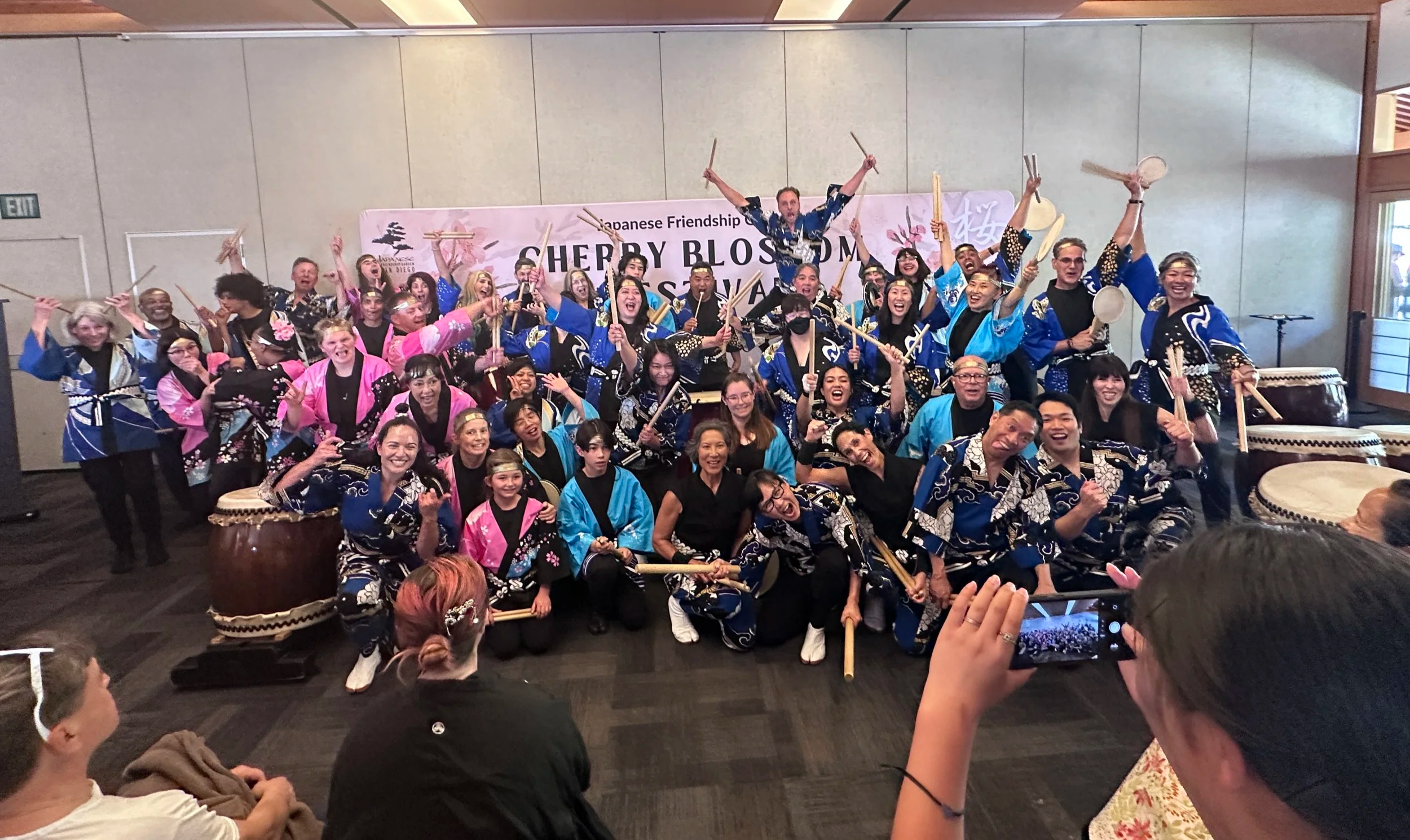
Ōnami Taiko Center extends its gratitude to the Japanese Friendship Garden and to everyone who attended the festival. The enthusiasm and support of the audience helped create an unforgettable experience for performers at every stage of their taiko journey.
For those interested in learning more about taiko, cultural festivals like this offer an excellent introduction to the art form. Come join us next year if you missed it this time! Whether through attending a performance, following local cultural organizations, or joining a beginner class, there are many ways to engage with this vibrant tradition and become part of its continuing story. Try taiko for yourself in one of our OTC classes